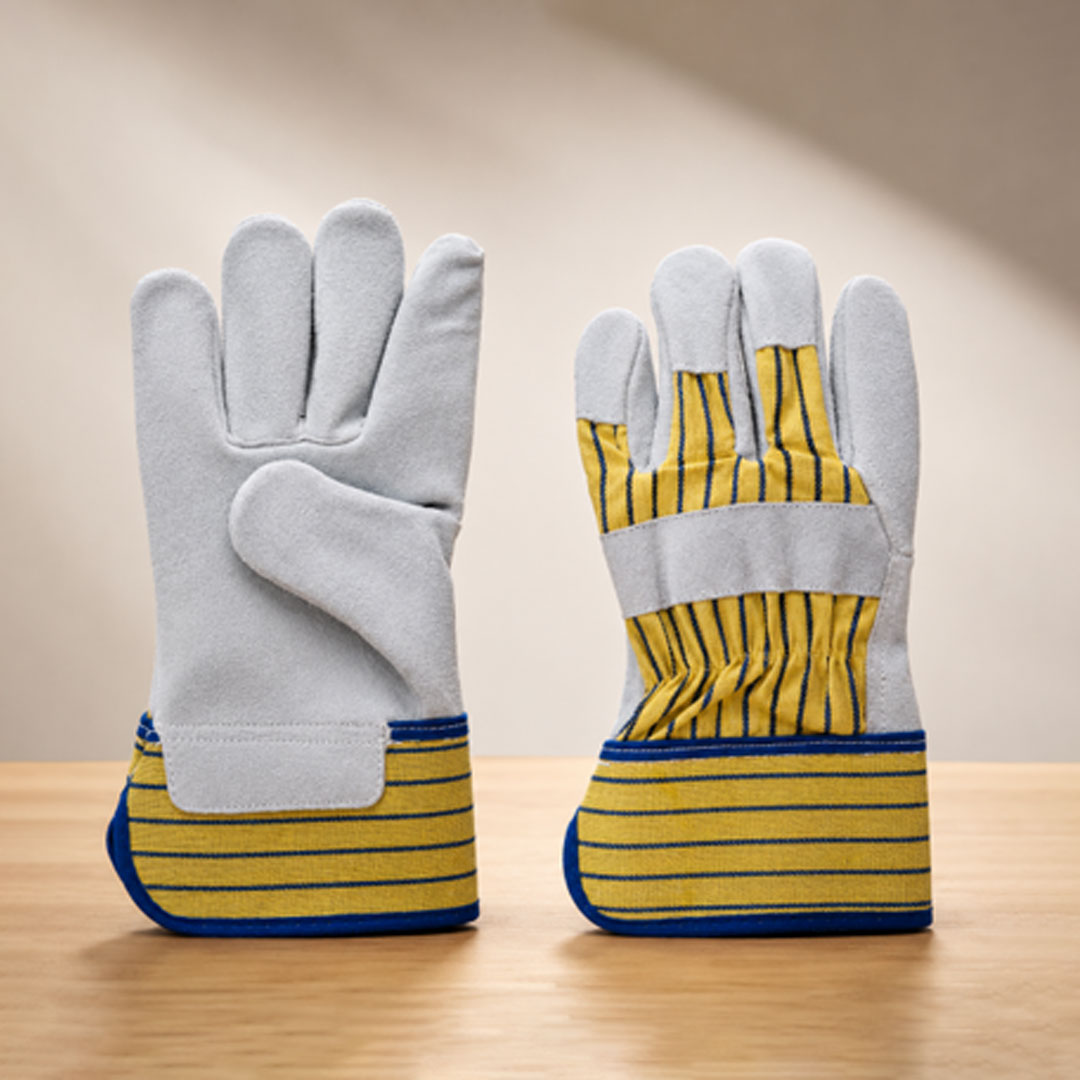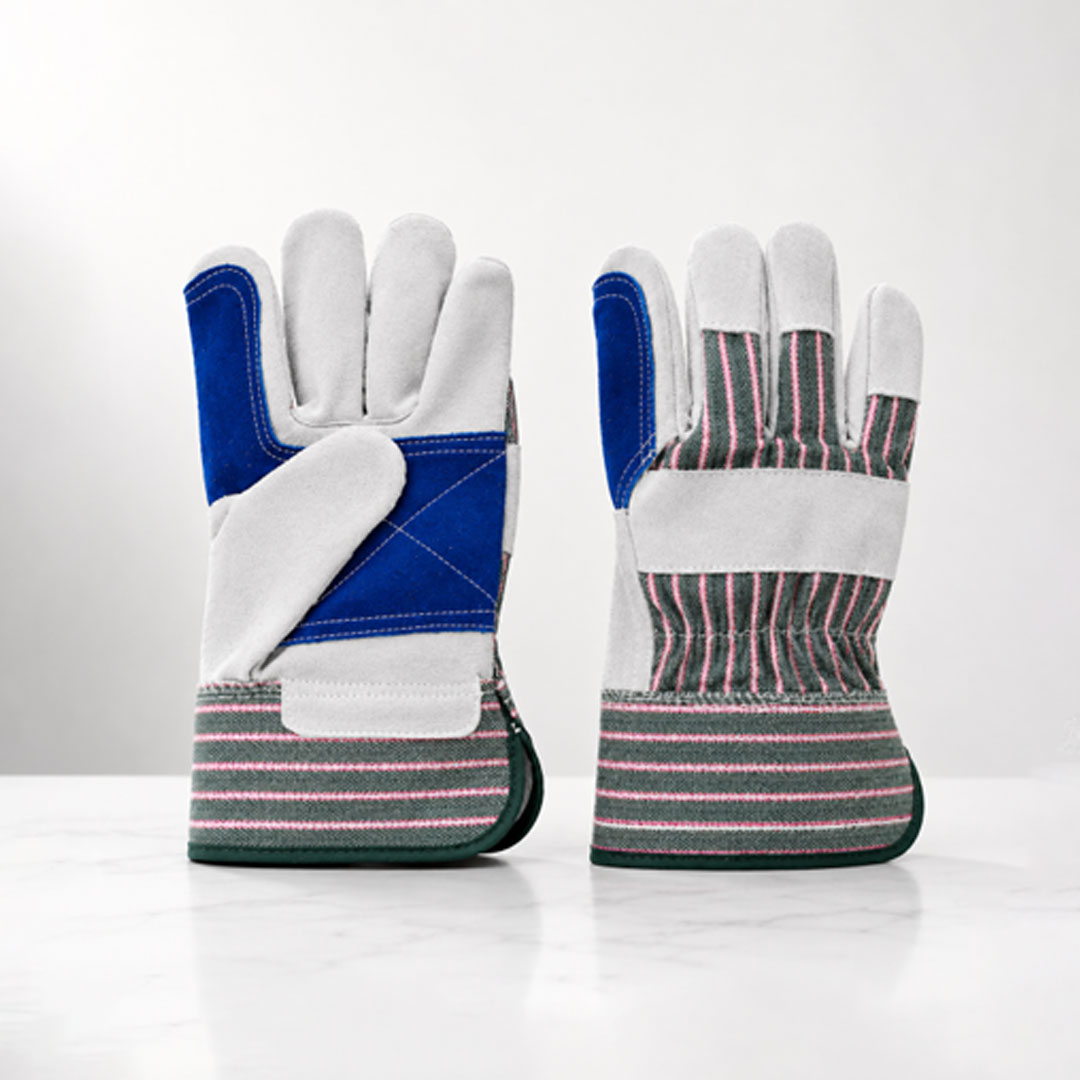

Welding is a demanding industrial application where workers can be exposed to heat, sparks, molten metal, sharp edges and other hazards. Because the hands are directly involved in controlling tools and materials, appropriate hand protection is an essential part of welding PPE.
Among the many types of industrial gloves available today, leather welding gloves remain an important product category for welding, fabrication and other hot-work applications.
For PPE distributors, importers and private-label brands, leather welding gloves can also be a valuable addition to a safety wear collection because they combine established material performance with multiple opportunities for product specification and customization.
Why Leather Is Commonly Used for Welding Gloves
Leather has long been used for protective work gloves because it can provide useful protection against sparks, moderate heat, impacts, chips and rough objects. OSHA specifically identifies leather gloves as suitable for certain workplace hazards and notes their use by welders where durable leather protection is required.
The suitability of a particular leather glove still depends on its construction and intended application. Not every leather glove should be treated as a welding glove.
A proper welding glove should be designed around the specific conditions of the work.
Protection Against Sparks and Heat
Hot-work operations can expose workers to sparks, slag and heat.
OSHA’s guidance for hot work states that workers can face burn hazards from heat, sparks, slag and light radiation, and identifies long-cuffed leather gloves as appropriate hand protection for certain hot-work operations.
This is one reason gauntlet-style leather welding gloves are widely used in welding and fabrication environments.
The extended cuff can provide additional coverage beyond the hand and help reduce exposure around the wrist and lower forearm.
Durability for Demanding Work
Welding environments are often tough on PPE.
Gloves may come into contact with metal edges, tools, equipment, sparks and rough surfaces. A well-constructed leather welding glove can offer durability while maintaining the flexibility required for handling welding equipment.
Important construction details can include:
- Leather selection
- Material thickness
- Palm reinforcement
- Finger construction
- Stitching quality
- Cuff length
- Reinforced stress points
- Lining
- Overall glove pattern
For private-label buyers, these details provide opportunities to develop different glove specifications for different customer segments.
Comfort and Dexterity Still Matter
A welding glove needs to protect the worker without making basic hand movements unnecessarily difficult.
The correct balance between protection, flexibility and comfort depends on the application.
For example, a glove intended for heavy-duty welding may prioritize durability and extended coverage, while a glove designed for lighter fabrication tasks may place greater emphasis on flexibility and hand movement.
Choosing the appropriate pattern, leather and construction can therefore make a significant difference to the end-user experience.
Why Private-Label Buyers Should Consider Leather Welding Gloves
For a private-label PPE brand, leather welding gloves can be more than just another product SKU.
They can become part of a broader industrial hand-protection collection that includes:
- General work gloves
- Material-handling gloves
- Driving gloves
- Safety gloves
- Heat-resistant gloves
- Welding gloves
- Heavy-duty leather gloves
A consistent product range allows distributors and brands to offer customers multiple solutions under one brand identity.
Private-label manufacturing can also allow buyers to specify details such as leather type, color, cuff design, reinforcement, lining, stitching and packaging, depending on the manufacturer’s capabilities.
What Should Buyers Look for When Sourcing Welding Gloves?
Before placing a bulk order, PPE buyers should clearly define the intended application and product specification.
Consider asking about:
Leather Type
Different leather types can offer different characteristics in terms of feel, durability and appearance. The material should be selected according to the intended application and required performance.
Glove Construction
Check the palm, fingers, thumb area, seams and reinforcement points. These areas can significantly influence durability.
Cuff Length
Longer cuffs can provide additional wrist and forearm coverage, which can be important in hot-work applications.
Stitching
High-quality stitching is essential for demanding work gloves. Stress points should be properly reinforced where necessary.
Lining and Comfort
Depending on the application, an appropriate lining can improve comfort and help with moisture management and thermal performance.
Consistent Specifications
For private-label programs, consistency from one production batch to another is critical. Buyers should establish clear product specifications before production begins.
Leather Welding Gloves Are Not a Complete Welding PPE System
It is important to remember that gloves are only one component of welding PPE.
Welding and hot-work operations can involve multiple hazards, including heat, sparks, slag and radiation. OSHA’s welding guidance addresses additional PPE requirements, including eye and face protection and protective clothing appropriate to the operation.
Therefore, leather welding gloves should be selected as part of an overall workplace safety program rather than treated as the only protective measure.
Why They Remain a Strong Product Category
The continued demand for leather welding gloves comes from their practical role in industries where workers need durable hand protection for demanding tasks.
For PPE distributors and private-label brands, they offer a combination of:
- Strong industrial identity
- Established market demand
- Multiple specification options
- Custom branding potential
- Application-specific product development
- Compatibility with broader safety-wear collections
Final Thoughts
Leather welding gloves remain an important part of many industrial hand-protection programs. Their combination of durable leather construction, extended coverage and suitability for certain hot-work hazards makes them a valuable product category for welding, fabrication and related industries.
For private-label PPE buyers, the key is not simply finding a leather glove at the lowest price. The better approach is to work with a manufacturer that can consistently produce the required material, construction, sizing, reinforcement and packaging specifications.
A well-specified welding glove can become a reliable part of a professional safety-wear collection and a strong product for distributors serving industrial customers.