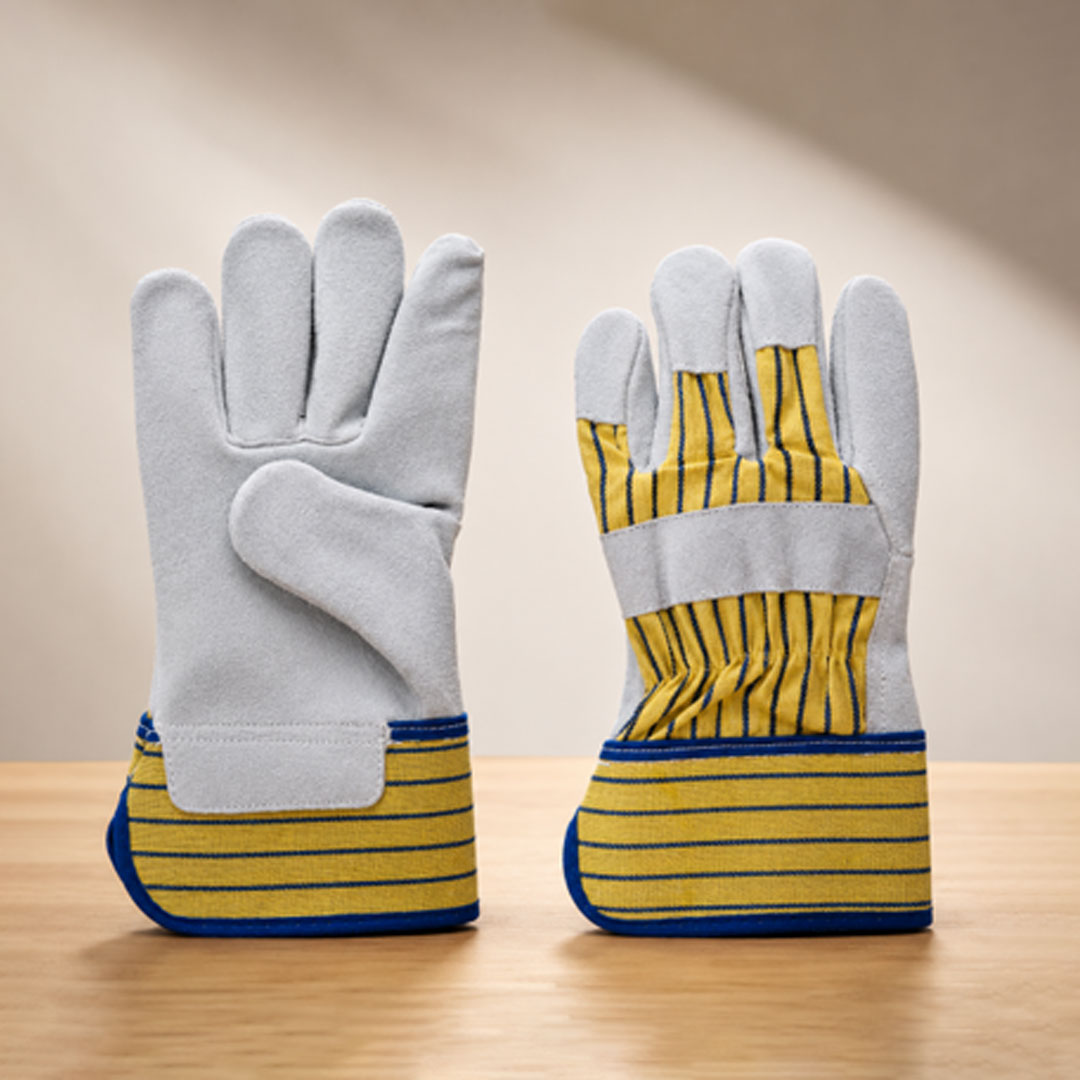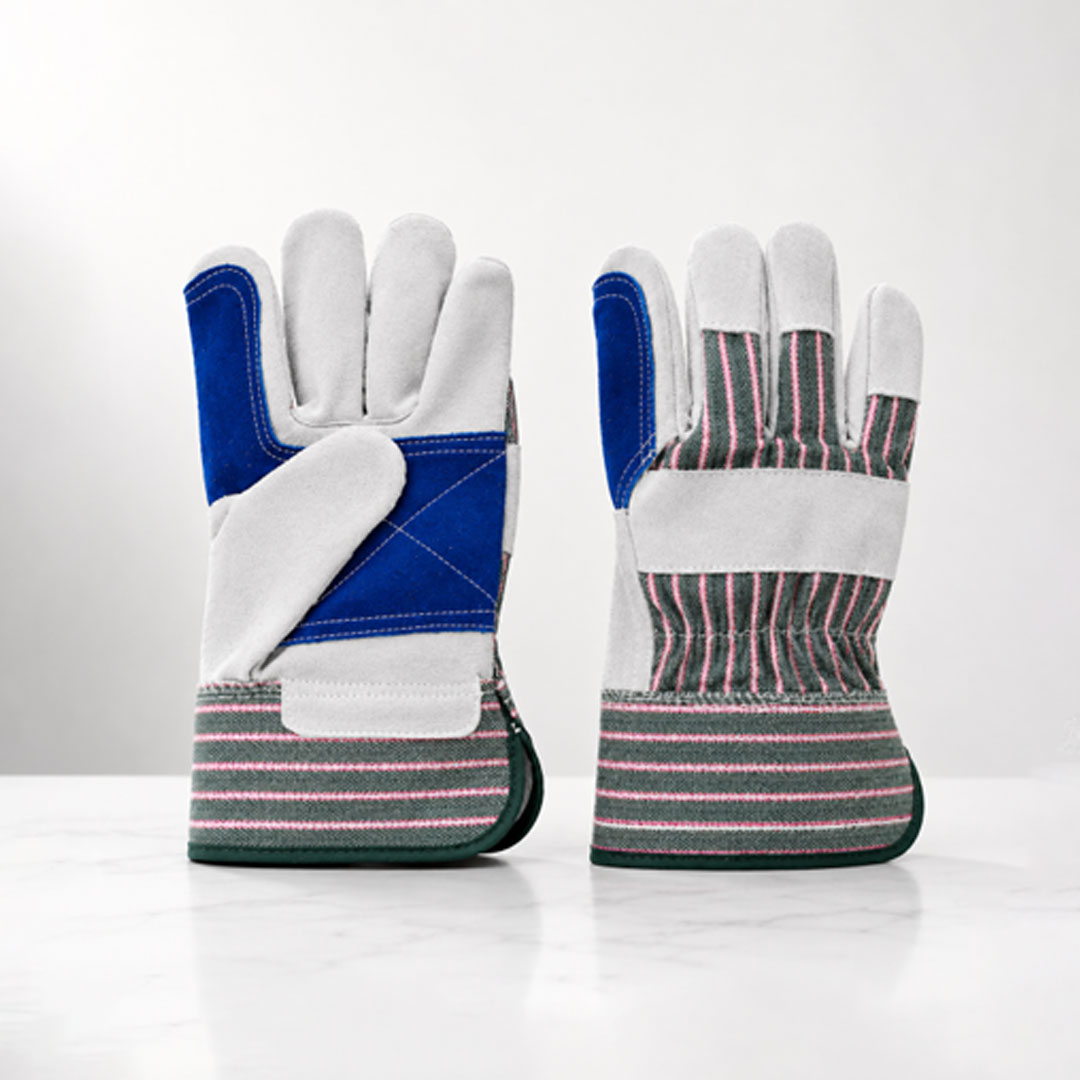

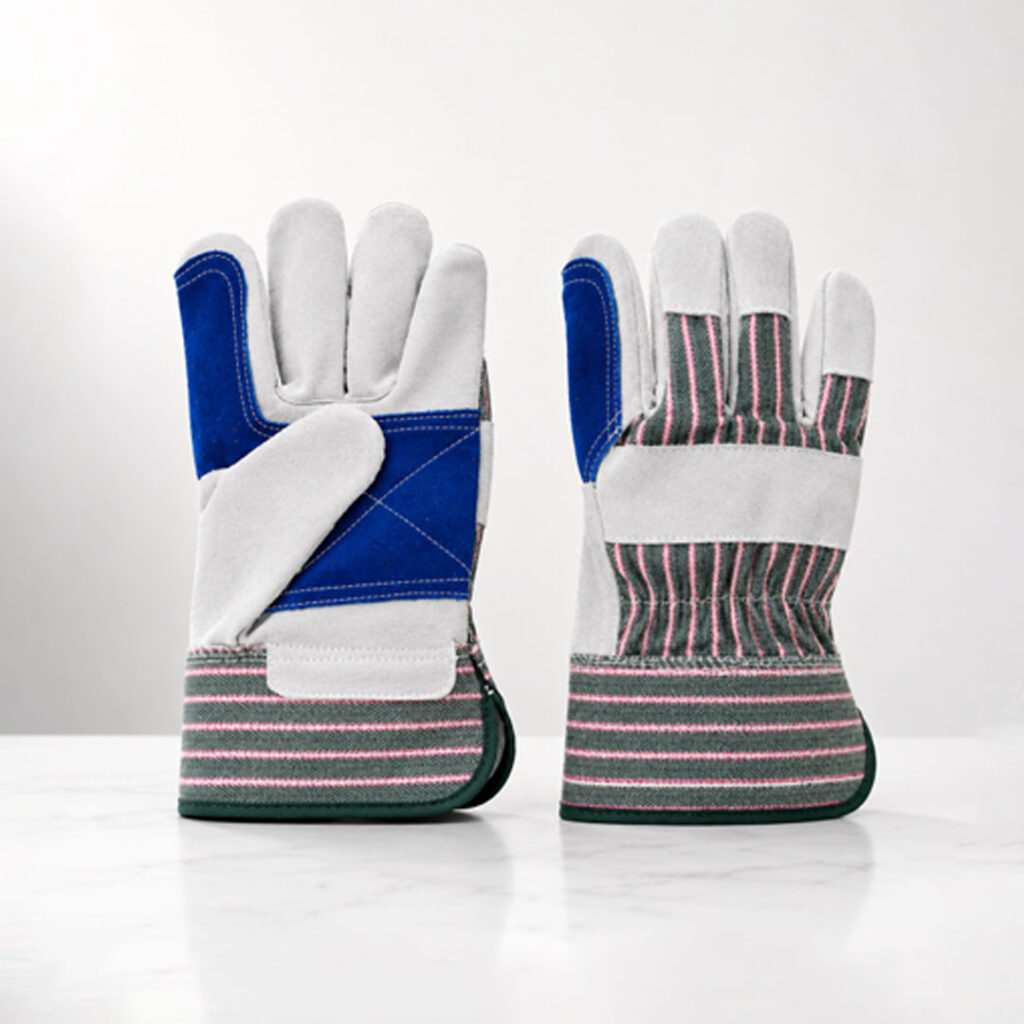
Safety gloves are one of the most important pieces of personal protective equipment (PPE) used in industrial workplaces. From construction and manufacturing to metal handling, welding and logistics, the right pair of work gloves can help reduce exposure to cuts, abrasions, punctures, heat and other workplace hazards.
However, simply wearing gloves does not automatically mean that hands are adequately protected. Choosing the wrong glove, using damaged gloves or ignoring the specific hazards of a job can create a false sense of security. OSHA recommends selecting hand protection based on the hazards workers may actually encounter, because no single glove material protects against every possible workplace hazard.
Here are seven common safety glove mistakes businesses should avoid.
1. Choosing Gloves Without Identifying the Workplace Hazard
One of the most common mistakes is selecting gloves based only on appearance, price or general durability.
Different jobs expose workers to different risks. A material-handling worker may need abrasion and puncture resistance, while a welder requires protection against heat, sparks and hot materials. Chemical handling requires an entirely different type of glove.
Before purchasing industrial safety gloves, identify the main hazards involved in the task. Consider:
- Cut and laceration hazards
- Abrasion
- Puncture
- Impact
- Heat and thermal exposure
- Chemicals
- Wet, oily or slippery surfaces
- Grip and dexterity requirements
The correct glove should be selected according to the actual application rather than using one glove for every task.
2. Assuming One Glove Can Protect Against Everything
There is no universal safety glove that provides maximum protection against every workplace hazard.
Leather gloves, for example, can provide useful protection against sparks, moderate heat, impacts, chips and rough objects, but that does not mean every leather glove is suitable for welding, chemical handling or high-cut-risk applications.
Businesses should therefore maintain different glove specifications for different operations whenever the hazards require it.
3. Ignoring Glove Performance Ratings
Another mistake is purchasing gloves without understanding their performance ratings.
For mechanical protection, EN 388 is widely used to communicate performance against abrasion, blade cut, tear and puncture, with additional information for ISO cut testing and impact protection where applicable.
A higher rating in one area does not automatically mean the glove is ideal for every application. For example, a glove with strong abrasion resistance may not necessarily be the best choice for a high-cut-risk application.
Procurement teams should always compare the complete performance profile with the intended job.
4. Buying Gloves Based Only on Price
Low purchase price can be attractive, especially when a company buys thousands of pairs. But price should not be the only consideration.
A glove that wears out quickly may require more frequent replacement, increasing the actual cost over time. Poor fit can also affect comfort, dexterity and worker acceptance.
A better purchasing approach considers:
- Material quality
- Construction
- Stitching
- Reinforcement
- Durability
- Fit and sizing
- Intended application
- Required performance standards
- Replacement frequency
For industrial buyers, the objective should be the best balance between protection, performance, durability and total cost.
5. Continuing to Use Damaged Gloves
Even a high-quality safety glove cannot provide its intended protection after significant damage or excessive wear.
Workers should regularly inspect gloves for:
- Tears
- Holes
- Damaged stitching
- Excessive wear
- Burn marks
- Contamination
- Loss of protective features
Damaged gloves should be replaced according to the company’s PPE procedures and the manufacturer’s recommendations.
6. Choosing the Wrong Size
A glove that is too large can affect grip and dexterity. A glove that is too small can restrict movement and cause discomfort.
Proper sizing is particularly important for workers who handle tools, machinery or materials for long periods.
Manufacturers and PPE suppliers should provide clear sizing information so buyers can select gloves that offer an appropriate balance between protection, comfort and hand movement.
7. Forgetting Worker Comfort and Grip
Protection is important, but workers also need to be able to perform their jobs effectively.
If gloves are uncomfortable, excessively bulky or difficult to grip with, workers may be tempted to remove them during tasks. That can reduce the effectiveness of a workplace PPE program.
When choosing work gloves, consider:
- Grip requirements
- Material handling conditions
- Wet or oily environments
- Dexterity
- Breathability
- Cuff length
- Glove weight
- Duration of use
How to Choose the Right Safety Gloves
The best approach is to begin with a hazard assessment and then match the glove specification to the application.
For industrial buyers, the process should include:
Identify the hazard → Define the required protection → Select suitable materials → Check performance ratings → Confirm fit and comfort → Evaluate durability → Establish replacement procedures.
This approach helps companies avoid buying gloves simply because they look strong or are inexpensive.
Final Thoughts
Safety gloves are an important part of workplace protection, but their effectiveness depends heavily on proper selection and use. Choosing gloves based on the actual hazards, understanding performance ratings and regularly replacing damaged gloves can help businesses build a more effective hand-protection program.
For manufacturers, distributors and private-label buyers, selecting a glove supplier that can provide consistent specifications, reliable quality and application-specific solutions is equally important.
When the right glove is matched to the right job, businesses can improve worker protection while also supporting productivity, comfort and long-term purchasing value.